In the 1990s, telecoms and tech journalists mainly consisted of men who had been doing the job for years. As a woman in my mid-20s, I was an outlier.
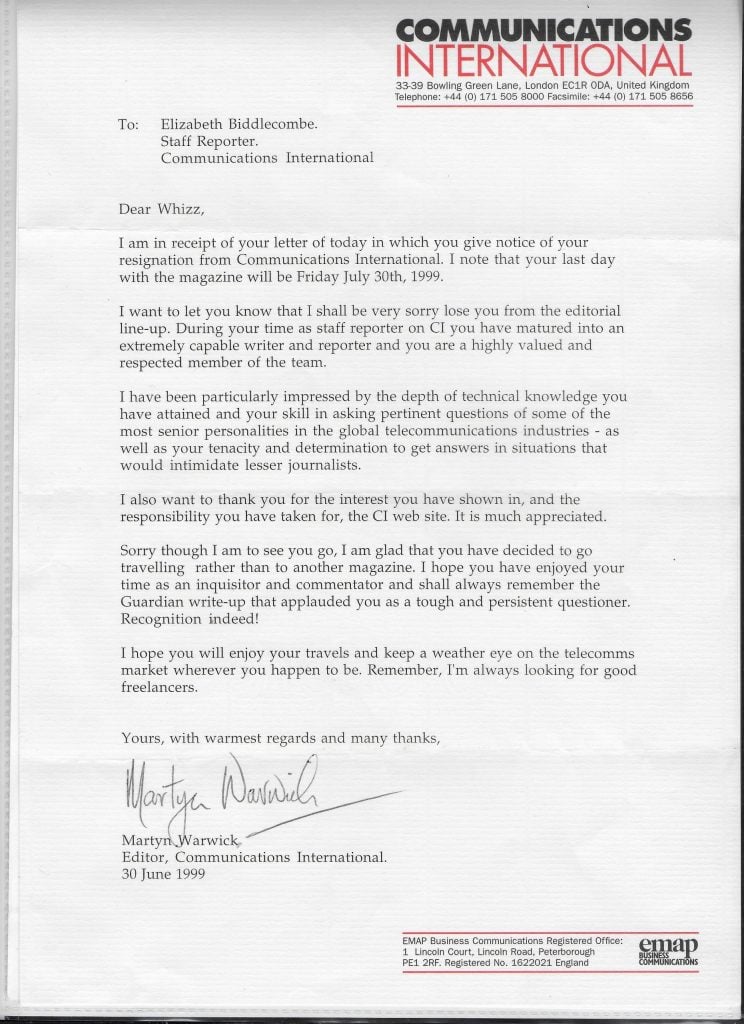
After talking to one of these old-school journos at a press event one day, I got the idea of going freelance. I wanted to start saving up money for travelling. He said, ‘You can make a lot of money being freelance’, and I liked the sound of that. He might have added, ‘If you know what you are doing and work hard’, but the conversation never got that far. A shame.
So, armed with only half the picture, I left Emap in 1999 after having been a full-time journalist for two and a half years. I had no idea what going from salaried life to ‘if-you-don’t-go-out-and-make-it-happen-nothing’s-coming-in’ would be like.
There are some classic pitfalls that any freelancer will tell you about and I sailed right into every one: taking on too much work with conflicting deadlines, not switching off at the end of the day, not balancing the pay cycles of different publications, not knowing how much I was going to earn each month, not taking a break when you are ill, even if you need the money and perhaps most crucial of all, not having a mentor.
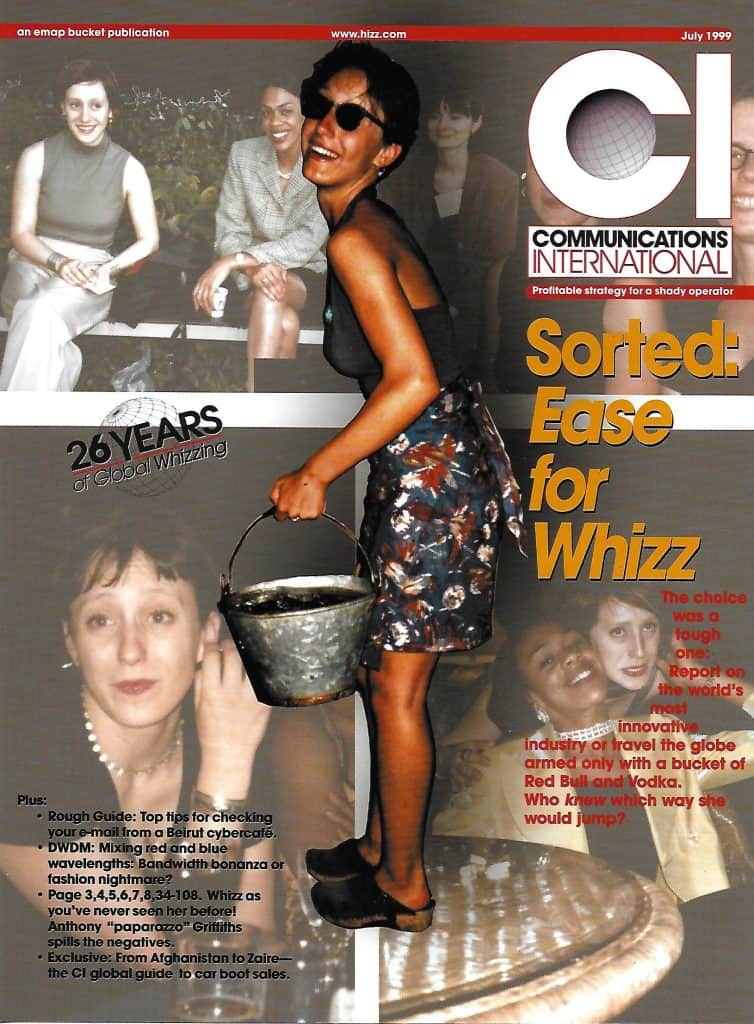
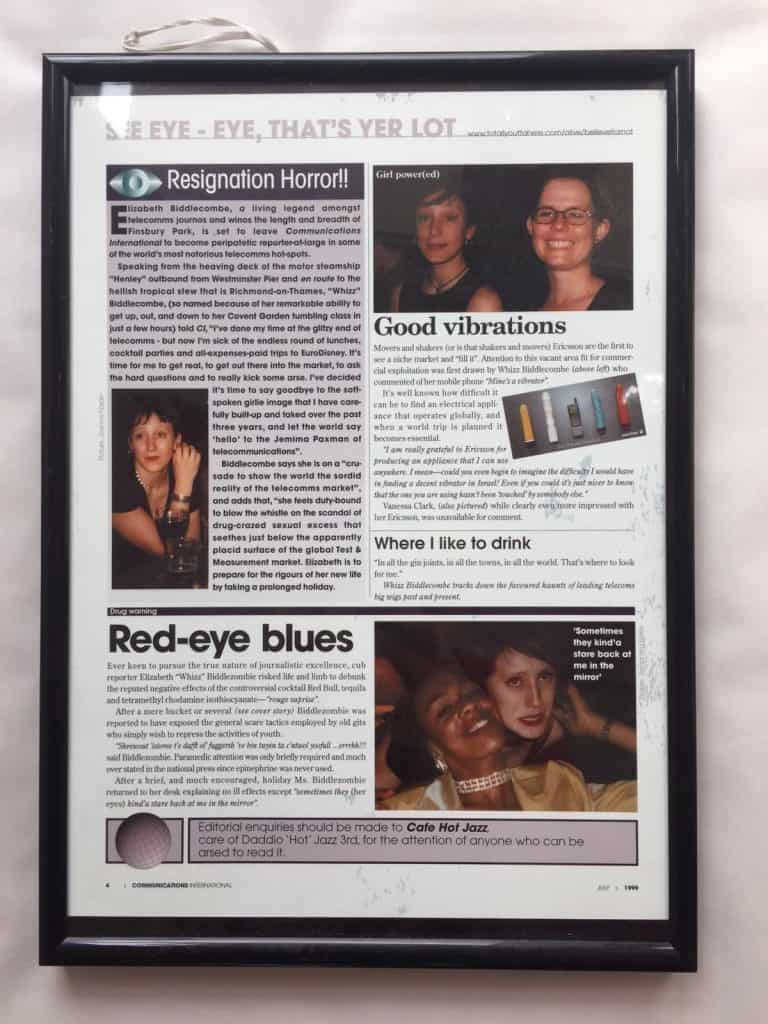
Blissfully ignorant of all this, I bid goodbye to my Emap colleagues (to whom I will always be grateful). In keeping with publishing tradition, they made me a dummy magazine front cover replete with Nineties references and telecoms jokes.