
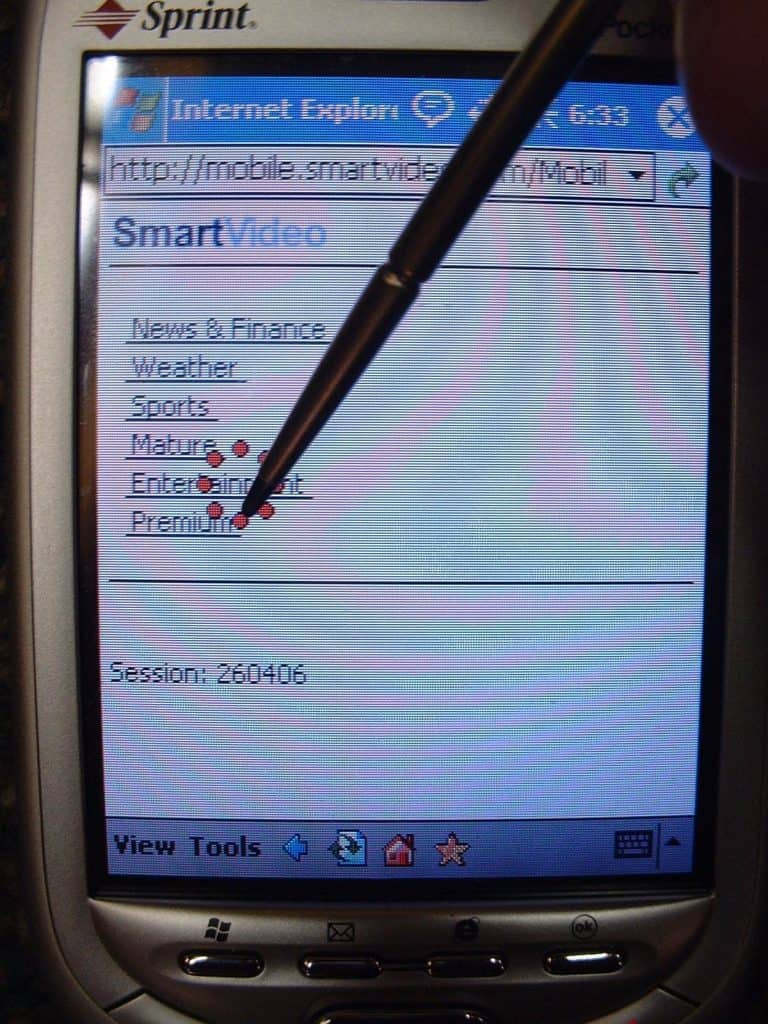
In the mid-00s, camera phones and picture messaging were becoming more widespread. The images were small and were sent via email, which you would access via your desktop. Phone displays didn’t do colour well enough yet and accessing email on the phone was still pretty clunky. Being able to edit and record audio and video on phones was beyond most of our comprehension, though it had been in the sights of the future tech visionaries for some time. The idea that news outlets would repost video captured by a member of the public on their mobile phone wasn’t believable.
What none of us saw was how this technology would signal the end of public anonymity and an increased pressure to always look good, while also facilitating major socio-political movements like the Arab Spring or the BLM movement through citizen journalism.
I found myself writing about mobile content more and more for industry titles like North American Wireless Analyst, Mobile Entertainment Analyst, and New Media Age. Gaming, marketing, and TV content were all making the switch to mobile.
Also looking to make that switch was the music industry. Having been blindsided by the MP3 revolution and peer-to-peer file-sharing services like Napster, it was keen to be ahead of the game with mobile. Meanwhile third-party players like Shazam had entered the fray but their music identification service was based on SMS.
I was being given devices to try out; I remember the novelty of spending an evening checking out a mobile TV service from AT&T Wireless. At the time, this was short discrete clips of video rather than continuous video streamed in real-time. It was my first experience of watching time-shifted content on a mobile, the norm these days.
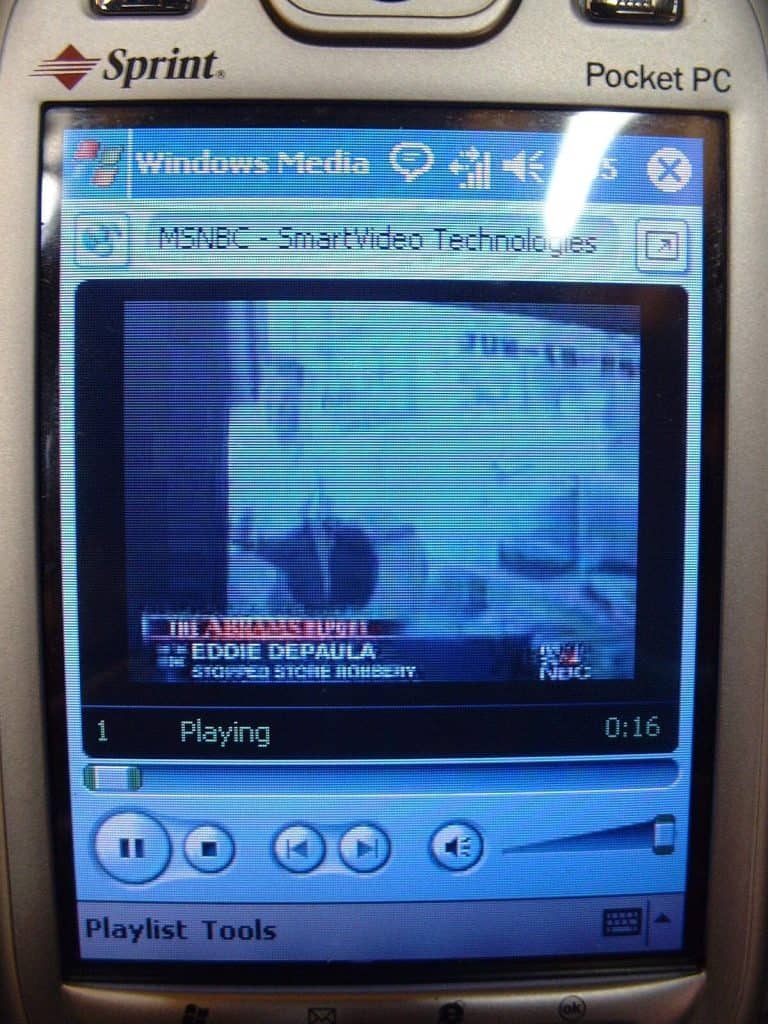
In 2005 was hired by the University of Vermont to talk to their media studies students about mobile television. I talked about slideshow content, repurposing cable TV at 1-15 frames a second (fps) for live TV, and short video clips on-demand services at 28 to 15 fps on 2.5 G networks. At that stage, camera phones could take a maximum of 15 seconds of blurry video. But it wasn’t the limitations of the handset that I focused on, it was also about the networks, which at that point were only 2 to 2.5G, even 1G in some parts of the rural US. WiFi wasn’t as ubiquitous as it is now. People still questioned whether anyone would want to watch video entertainment on their phones.
Meanwhile, there was exciting news for those of us in San Francisco who had any media aspirations. There was talk of a new TV channel called INdTV, which aimed at the 18-34 demographic to provide an independent counterbalance to the concentrated power base of traditional media outlets. Their business model was unique; with access to video cameras and editing, people could go out, film, and create their own short-form TV content. The user-generated content model was starting to take root.
Around this time, I was also experimenting with DIY reportage, going out onto the streets of San Francisco with a friend to interview people about whether and how they used mobile phones to flirt and date. (Grindr and Tinder didn’t come along until quite a bit later.)
By then, wired broadband was ubiquitous, but wireless or WiFi had yet to become mainstream. WiFi wasn’t routinely integrated into a computer and the industry was still trying to integrate it into their business plans. Cloud computing was not a thing yet and file transfer was still done by burning items on a CD and handing it to someone in person. Real-time collaboration could only be done in person; using a cloud-based text editor where you could see people make real-time changes was beyond the infrastructure of the day.
People were beginning to recognise how tracking user behaviour online to personalise the information displayed would turn social media tech and e-commerce companies into massive power brokers worldwide. The 2004 short film Googlezon was on point with this prophecy though it didn’t foresee that our phones and other networked devices would be listening to our conversations, even when not in use, and delivering personalised ads to us based on that content. Developments in speech recognition, another market I tracked in those days, have facilitated so much that we now take for granted.
I’m not sure they forecast how algorithmically delivered news would be socially divisive or provide a way to manipulate politics. Nor did we foresee how being able to communicate with people across the world whom we never meet–initially so new and exhilarating–would make people feel a new freedom to abuse and threaten in a way they might not do in real life when their social circle was as big as the village or district they literally lived in. But by the middle of the decade, awareness was growing about the mental health impacts of the dominant social media platform of the day–Facebook.
But still, the idea of watching live press conferences from the International Space Station with near synchronous sound on a wireless device with a TV screen on it was the stuff of Sci-Fi not day-to-day as it was 15 years later. As was using the Internet from a plane. Or even a car, though companies like Wingcast had been looking into internet connectivity for vehicles and carphones had been one of the first places we’d seen mobile telephony take root a few decades before.