
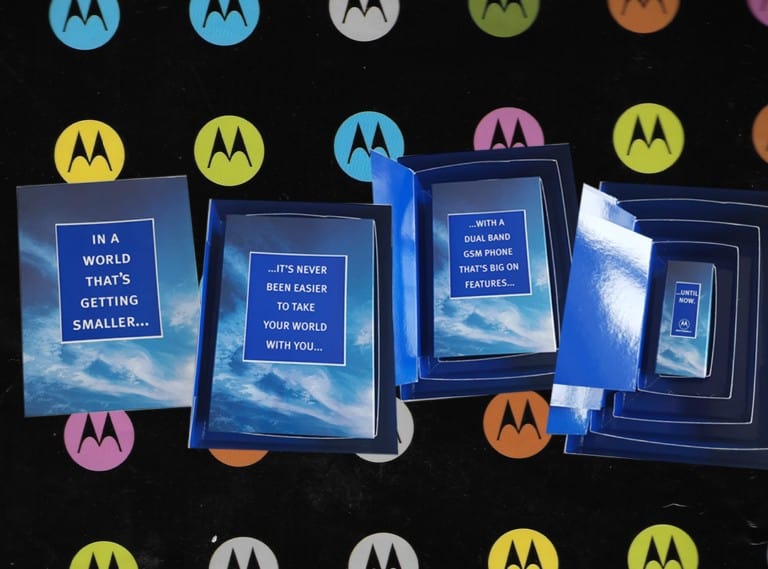
By this stage, I was basking in the glow of the lavish PR budgets of the 1990s, getting invited on day trips to Europe one day and multiple-course dinners the next. The post would regularly bring press releases complete with executive toys or branded office accessories.
While I mainly wrote about business-to-business technologies rather than consumer tech, I did get flown to Edinburgh for the launch of the smallest ever mobile phone at the time, the Motorola v.3688. Despite it being Motorola’s Martin Cooper that made the first-ever mobile phone call, Motorola was second to Nokia’s market dominance at this point. It had high hopes for this new phone as being a way to knock Nokia from the top position; they were unsuccessful. Nokia would remain ahead until years later when Apple eventually pushed past to first place and Nokia’s name was relegated to mobile phone history.
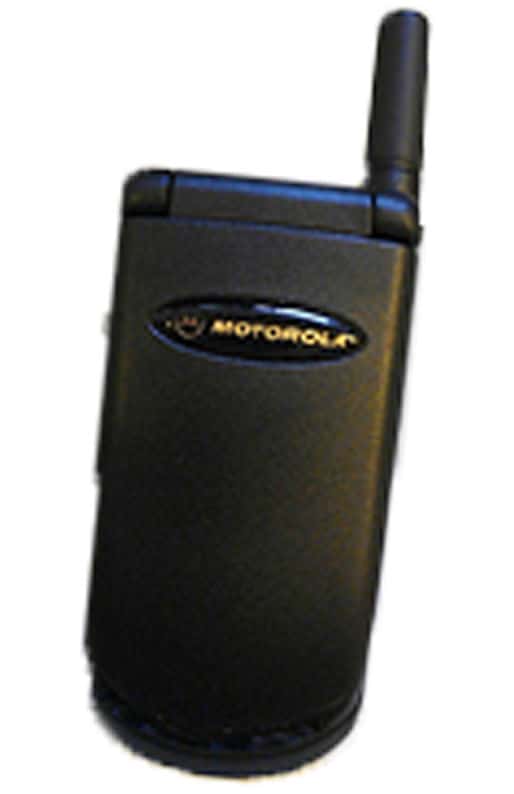
The press freebie from that trip was the handset itself, which was my first mobile phone. It was so novel to tap out my first ever text message letter by letter even though it was to my flatmate in the next room. At that time, texts were limited to 160 characters, and it was a little while before I wrote about this new development called predictive text. The game Snake was the highlight of mobile entertainment and most people had a generic ringtone, though downloadable ringtones were starting to be sold. You had to delete your text messages regularly to stop your phone from running out of storage and rejecting incoming messages.
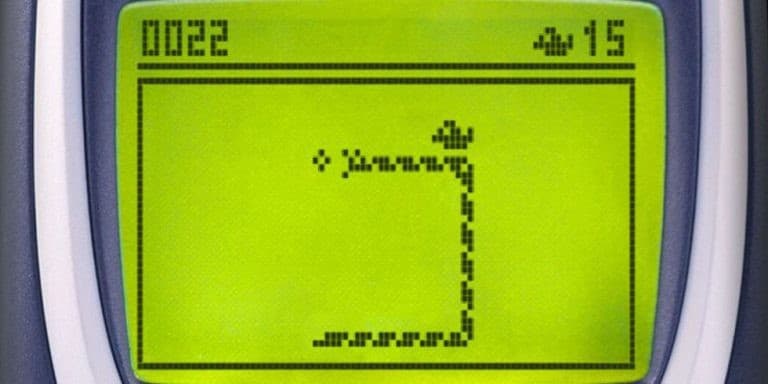
This was also true of email inboxes at the time. The idea of vast amounts of storage, not only for email, but also on a handheld device was inconceivable at the time. No one foresaw being able to have for example 250 apps on one phone.
While we were still trying to get used to seeing people unashamedly talking to themselves in public, which is what handsfree first looked like, the mobile industry was gearing up to launch WAP on 2.5G data technology–its first foray into mobile data nicknamed ‘Wait And Pay’. People were asking if mobile phones would ever be as popular as TVs and whether we’d actually do our banking on our mobiles. Personally, I was just getting excited about having a phone in my pocket wherever I went–I’d had a pager for a while but it didn’t come close to this kind of convenience–despite the limited and expensive calling plans available at the time.
Talk was now focused on how to run a mobile network that carried both voice and data, how to transfer phone numbers from one provider to another, and how to allay fears that mobile phones were dangerous for our health. There was a focus on the risk from irradiation; no one foresaw the real negative impact on mental health that always-on connectivity to the network would bring, nor how online life would enable big data manipulation of elections, online trolling, or the ‘comparisonitis’ that images of photoshopped physiques would engender. These impacts make early mobile social experiments like flash mobs look harmless.