
In January 1998 I graduated from doing a bit of writing here and there while supporting the real journos on the team to becoming Staff Reporter for Communications International.
This meant going to press events more regularly. It was challenging at first because I didn’t know about technology, I didn’t know about business, and I only had half an idea about being a journalist.
I was sent off my first press conference, which featured renowned UK technology angel investor Bob Jones). I cried afterwards as I hadn’t understood a word.
But writing about payphones one day and the rising number of internet and mobile phone users the next, I started to become interested in tech.
At that time, Nokia was putting handsets into more and more people’s hands and the Internet was becoming ‘a thing’, with daily updates of new innovations from Silicon Valley. I’d just got my first personal email address (from Yahoo), and AOL and CompuServe were the big names of the day. I read newspaper reports about these new companies called eBay and Amazon and it took a moment to get my head around what their business model was.
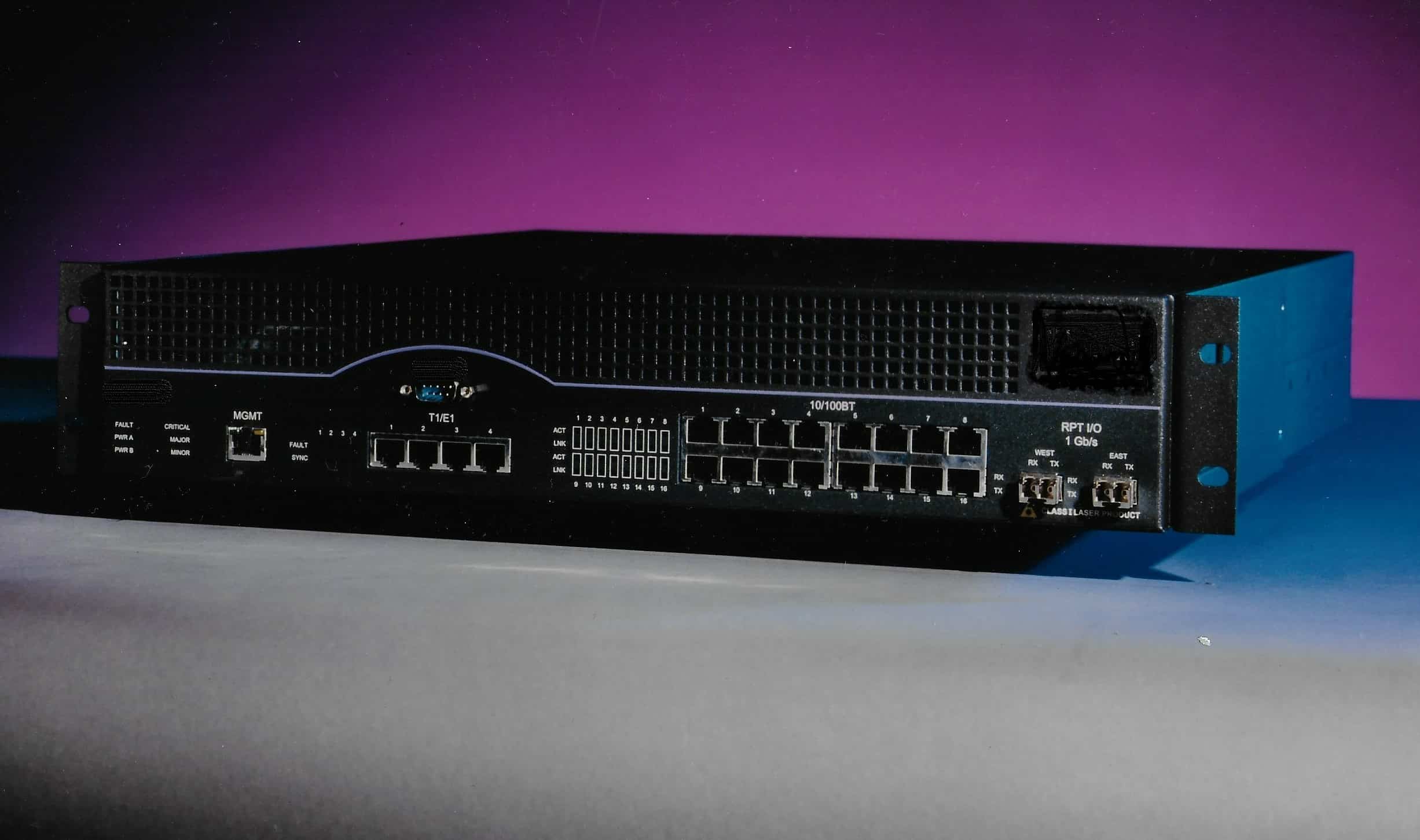
I knew I was deep in when I went on a press trip to LINX–the London Internet Exchange–and got a buzz from thinking how all of the UK‘s internet traffic was flowing through the bays of equipment before me.
Back then, Apple Computers had only just escaped bankruptcy by launching the ground-breaking iMac desktop computer (1998). Computing was still largely tethered and still very beige: we crawled around under our desks to connect the wires for our desktop towers while we heard promises about a future of cable-less computing. Wireless internet access? What was that?
The idea that internet access would one day be delivered wire-free, and at speeds that rivalled fixed broadband was unthinkable, but it opened up connectivity to huge swathes of the world’s population who didn’t have access to fixed telecoms infrastructure or a desktop computer, facilitating not only citizen journalism but mobile banking and electronic payments for people who might not have had access to them otherwise.
It was around this time that I came across a new independent magazine that featured real, ‘normal’ people and talked about how it was they that were going to become media stars. This was before Big Brother introduced the world to reality TV, before phones enabled self-generated content, and way before social media. I wish I had kept it. That publisher was prescient.